
 EN
EN
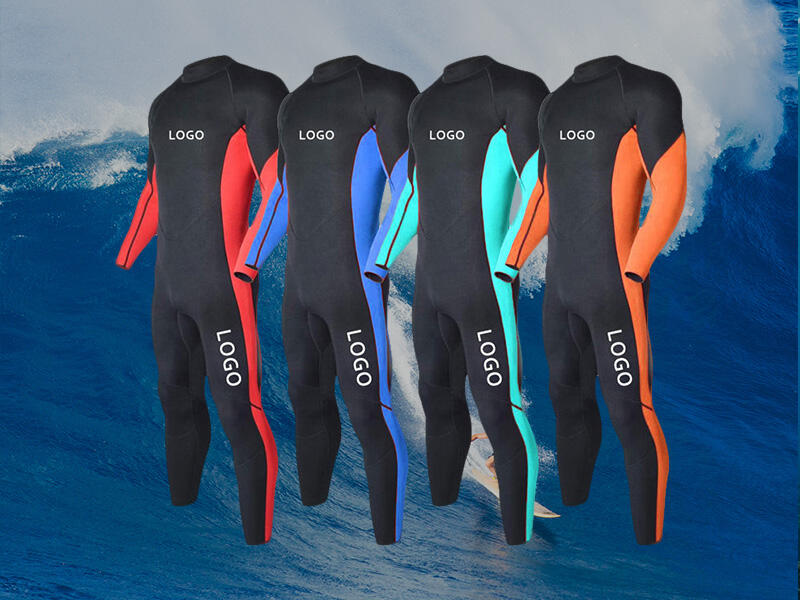
Back-Zip Surfing Wetsuits: Simplest Entry for Beginners and Rentals
How the rear zipper enables quick, intuitive donning
Surfing wetsuits with back zippers have a long zipper that goes from near the collar down to around the middle of the back. This creates an extra big opening so people can put them on all by themselves. New surfers just step into the suit, pull it up over their legs like putting on jeans, then reach back to zip it closed. No need for someone else to help them out. For places that rent out gear, these suits save a ton of time since multiple customers need to get dressed quickly throughout the day. The zipper does require a bit of bending over to fasten properly, but most modern designs come with smooth nylon tracks and easy grip tabs that prevent the zipper from getting stuck or tearing. Some tests done in the watersports industry show that surfers using these back zippers can get ready about 40 percent faster than those dealing with complicated front closures or side zippers.
Trade-offs: Sealing limitations and reduced flexibility in cold water
Back zip entry might be convenient, but it has some real downsides when things get chilly. The long zipper track actually becomes a spot where water can sneak in under the neck area. Some testing shows that these kinds of wetsuits let about 15 to maybe even 30 percent more water rush in during wipeouts compared to those fully sealed ones. Another problem is how stiff the zipper panel gets, which really limits shoulder movement while paddling. This restriction not only makes it harder to move around but also cuts off blood flow, making people lose body heat faster once the water drops below 60 degrees Fahrenheit. Plus, the placement of the zipper itself creates discomfort when someone leans back against big waves. All told, back zips just aren't great for folks who spend a lot of time in cold water, no matter how easy they are to put on.
Chest-Zip Surfing Wetsuits: Optimizing Ease of Use and Thermal Performance
Front-entry design mechanics that balance accessibility and watertightness
Surfing wetsuits with chest zips have a horizontal closure running across the upper body area, held in place by a waterproof flap and extra thick neoprene seals around the edges. The front entry design actually fits better with how our bodies are shaped, which means most surfers can put these on by themselves without help. Just thread the metal clasp diagonally over the chest area, make sure the storm flap is properly sealed against splashing, then secure those Velcro strips inside for an extra tight fit. Compared to traditional back zippers, these chest zips are much shorter, usually around 12 to 14 inches long. Plus, manufacturers place the seams carefully so they don't sit right where waves hit hardest. Real world testing shows this setup cuts down on water getting inside by roughly half compared to other styles.
Why intermediate surfers prefer chest-zip wetsuits for consistent cold-water sessions
Most intermediate surfers go for chest zip wetsuits because they offer good warmth while still being easy enough to put on. The design has those tapered sections at the wrists and ankles that actually seal water out pretty well without needing too much stretching. Plus, the front opening stays closed even after wearing it multiple times throughout the day. These suits work best when water temps are somewhere around 50 to 60 degrees Fahrenheit, which is when people start losing body heat fast in the ocean. Some tests show that chest zips keep the core area warmer about twenty percent longer compared to regular back zippers during long surf sessions. That extra insulation definitely helps maintain energy levels and overall performance when conditions get chilly.
Zipless Surfing Wetsuits: Seamless Innovation for Maximum Mobility and Effortless Entry
Stretch-neoprene construction and ergonomic patterning enabling slip-on functionality
Zipless surfing wetsuits are made from really stretchy neoprene that can expand over 300% and have panels cut to fit the body just right, so they basically slip on like a second skin. Without any zippers at all, there's no chance of those annoying zipper failures, plus the material spreads out tension nicely around the shoulders and hips area, which cuts down on drag and keeps the suit sealed better against water. Most surfers report getting into one of these suits completely within half a minute flat. Some tests on how flexible the neoprene is show these zipless designs let in about 15% less water than regular back-zip suits, making them pretty effective for staying warm during long sessions in cold waters.
Use-case fit: Ideal for warm-water surfing and high-mobility disciplines (e.g., shortboarding)
Zipless wetsuits work really well when the water stays above about 65 degrees Fahrenheit since there's not much need for extra warmth and being able to move freely becomes super important. Most of these suits come with around 2 to 3 millimeters of neoprene which lets surfers stay flexible enough for all those quick maneuvers on their boards. Shortboarders especially notice this difference because they can twist their torsos roughly 20 degrees more than what's possible with regular zipped suits during sharp turns. The way these suits go on without any zippers makes life easier for folks who get in and out of the water several times throughout the day, helping reduce that tired feeling before hitting the waves again. But here's the catch: without adjustable seals around the neck and wrists, cold water tends to sneak in faster when temperatures drop. That means zipless options are great picks for surfing in warmer waters but fall short when real insulation matters most.
Shorty Wetsuits and Hybrid Designs: Lightweight Alternatives for Warm-Climate Surfing
Surfing shorty wetsuits have those shortened arms that stop just above the elbows and legs cut off at the knees. This design gives surfers way more freedom of movement since there's less material getting in the way. Made mostly from 2mm thick neoprene or even thinner stuff, these suits make it so much easier to get dressed compared to those full body ones that feel like climbing into a second skin. A lot come with basic back zippers or sometimes no zipper at all, relying on stretchy neoprene that slips on pretty much like regular gym clothes would. Some newer models take things further with clever features like removable sleeves or tops that can flip around depending on what the ocean throws at them, letting surfers adjust quickly without fumbling around with complicated fastenings. These kinds of suits work best when the water is warmer than about 66 degrees Fahrenheit because the main issue isn't staying warm but actually not getting too hot. The sleek shape keeps shoulders from feeling restricted while still keeping the chest area cozy enough, which makes them perfect for those tropical beach breaks or summer days out in the water where moving fast between waves is everything.
Choosing the Right Surfing Wetsuit by Entry Style: A Practical Decision Framework
Matching entry type to skill level, water temperature, and frequency of use
Picking out a good surfing wetsuit really comes down to matching the entry style with what works best for three main things: how experienced someone is, what kind of water temps they usually face, and how regularly they hit the waves. Newcomers generally find back zippers easiest since they can put them on by themselves without too much hassle. For folks braving cold waters under 55 degrees Fahrenheit, chest zips tend to be better because they trap heat better around the torso area while still being functional enough when moving around. Surfers who spend hours in warmer waters each day often swear by zipless suits these days, mainly because slipping into one takes seconds flat and doesn't restrict movement at all. Shorty and hybrid models work across different skill levels whenever conditions stay reliably warm throughout the year, making them great options for travelers or anyone looking for something lighter weight that adapts well between seasons.
| Entry Style | Ideal Skill Level | Water Temperature | Use Frequency |
|---|---|---|---|
| Back-Zip | Beginners | Moderate-Warm | Low/Occasional |
| Chest-Zip | Intermediate | Cold (<55°F) | High |
| Zipless | Advanced | Warm | Regular |
| Shorty/Hybrid | All Levels | Warm | Seasonal |
Match your habits to this framework: weekly cold-water surfers gain durability and warmth from chest-zip suits, while warm-water riders maximize performance and comfort with zipless or shorty options. Your choice directly affects both comfort and wave-riding capability-so prioritize function over familiarity.
FAQ Section
What are the benefits of back-zip wetsuits?
Back-zip wetsuits offer the simplest entry, perfect for beginners and rentals, allowing quick and intuitive donning by oneself.
Why might a surfer choose chest-zip wetsuits?
Intermediate surfers prefer chest-zip wetsuits for better thermal performance and ease of use, especially in cold-water sessions.
Are zipless wetsuits a good choice for all water temperatures?
Zipless wetsuits are ideal for warm-water surfing and high-mobility disciplines but may fall short in colder waters due to lack of adjustable seals.
Who should consider using shorty or hybrid wetsuits?
Shorty and hybrid wetsuits suit all skill levels in warm-climate surfing, offering lightness and flexibility, especially in quick wave-riding scenarios.
Table of Contents
- Back-Zip Surfing Wetsuits: Simplest Entry for Beginners and Rentals
- Chest-Zip Surfing Wetsuits: Optimizing Ease of Use and Thermal Performance
- Zipless Surfing Wetsuits: Seamless Innovation for Maximum Mobility and Effortless Entry
- Shorty Wetsuits and Hybrid Designs: Lightweight Alternatives for Warm-Climate Surfing
- Choosing the Right Surfing Wetsuit by Entry Style: A Practical Decision Framework
- FAQ Section