
 EN
EN
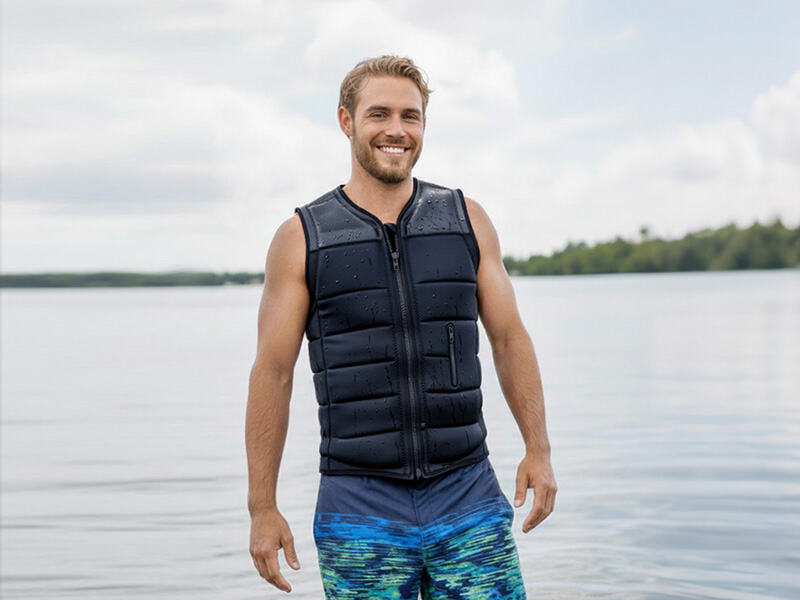
Understanding Fit and Sizing for Your Body Type
Measuring Chest and Torso: Key Steps to Determine the Right Impact Vest Size
Getting accurate measurements matters a lot for how well an impact vest works and keeps someone safe. Start by wrapping a soft measuring tape around the widest part of the chest, making sure it stays level with the floor. Next up is measuring the torso length from just below the neck area down to where the hips start. These numbers need to match up with what the manufacturer lists on their size chart since different brands have varying fits because of their specific foam materials and how they shape the vests. When properly fastened, a good fitting vest will snug down the torso about an inch or two. Don't take chances with guesswork here. The Coast Guard reported back in 2023 that nearly four out of five water sport injuries happened because people were wearing improperly sized safety equipment.
Snug vs. Restrictive: Balancing Safety and Comfort in Impact Vest Fit
Getting the right fit on an impact vest means finding that sweet spot between protection and freedom of movement. The vest needs to stay in place when things get rough during a fall, but still let the wearer breathe properly. Try taking a few deep breaths once it's tightened to see how comfortable it feels. If the vest feels too tight around the shoulders, it will restrict movement and probably start rubbing against the skin. Watch out for situations where raising arms above head becomes difficult or there's noticeable pressure against the ribcage area. These are clear signs that maybe going up a size would make all the difference in comfort level without sacrificing safety benefits.
- Safety-approved fit: The vest stays in place when lifted by the shoulders
- Overly tight: Red marks after 10 minutes or numbness in extremities
- Too loose: Water channels form beneath the vest during motion
Adjustability Features for Growth and Layering, Especially in Kids and Teens
Kids' impact vests need some flexibility built in since children grow so fast and often wear them with different layers throughout the year. When shopping around, check for vests that have adjustable side buckles allowing about three inches of extra room as needed. The underarm area should include stretchy mesh panels that let kids move freely without feeling restricted. Also look for waist straps that can be easily taken off when wearing thicker clothing like wetsuits or winter jackets. Models with expandable torso sections tend to last longer, usually giving parents two to three full seasons before needing replacement. Standard fixed size options aren't great choices really. Kids can put on nearly four inches across their chests each year during those rapid growth phases we all know about. The Pediatric Sports Medicine Journal reported this back in 2023, which makes sense if anyone has ever tried fitting an active kid into gear that no longer fits properly.
Gender and Age-Specific Impact Vest Design Differences
Men’s vs. Women’s Impact Vests: How Cuts Differ for Chest, Waist, and Torso Shape
Impact vests made for men and women take into account how our bodies are shaped differently, which actually makes them safer and better performing overall. For women, these vests come with specially shaped panels that fit around the bust area and taper down at the waist. This helps prevent those annoying situations where the vest rides up or creates uncomfortable pressure spots, plus keeps the buoyancy balanced throughout. The torso on female models tends to be a bit shorter so it doesn't press against the stomach area. On the other hand, vests designed for men accommodate wider shoulders and generally straighter body shapes that most guys have. Both types incorporate flexible neoprene material around areas that get stressed during movement such as under the arms. But when it comes to how well they work in practice, studies indicate something pretty interesting happens with these gender specific designs. People who wear them report about 15 to maybe even 20 percent more freedom of movement when rotating their bodies compared to what folks experience with one size fits all vests.
Kids’ Impact Vests: Prioritizing Mobility, Weight Support, and Growth Flexibility
Youth impact vests meet USCG safety standards while supporting children’s physical development. High-back flotation keeps heads above water, while low-profile foam ensures unrestricted movement. Key features include:
- Expandable side panels to accommodate growth
- Reinforced safety straps that prevent displacement during falls
-
Ultra-light materials to reduce fatigue during extended use
Manufacturers design these vests with a minimum 50N buoyancy to compensate for lower body mass. They undergo rigorous mobility testing to ensure full arm range for swimming and paddling. Adjustable buckles allow layering over wetsuits while maintaining a secure fit—critical for growing athletes.
Material and Structural Features for Diverse Body Shapes
Adaptive Cuts: Long Torso, Athletic Build, and Oversized Armhole Options
Modern impact vests come in various cuts designed to fit different body shapes properly. People with longer torsos will appreciate extended back panels that stop the vest from riding up during activity. The side seams are shaped to match how most people's waists naturally curve. For athletes with leaner frames, many vests feature tapered midsections that hold the buoyant material close to the core area without restricting movement when twisting or turning. Larger armholes combined with sleeves that move at the joints make all the difference for shoulder flexibility, which matters a lot when someone needs to paddle or swim effectively. All these thoughtful details help minimize annoying rubbing spots while keeping important support right where it's needed most around ribs and along the back.
4-Way Stretch Neoprene and Flexible Materials for Inclusive Fit
Today's impact vests are made with 4 way stretch neoprene that fits all sorts of body types without leaving uncomfortable pressure spots. The fabric stretches in every direction so it works great for people with broad shoulders, bigger chests, or wider midsections while still spreading out the buoyancy evenly. Some models have hybrid construction where the front part is stiff for protection against impacts but the back section uses stretchy mesh fabric that lets air circulate better. What makes these materials special is how they handle different conditions. They don't get ruined by chlorine from pools, dry off fast after getting wet, and keep performing well whether worn in summer heat or winter cold. Even when someone layers clothes over them, the vests maintain their shape and function. Plus, they stand up pretty well to sun damage and saltwater exposure without breaking down over time.
Brand Fit Comparison: Addressing Size Limitations
The way impact vests fit really depends on the brand being considered. Some companies go all the way up to 3XL sizes with those adjustable side laces that let folks tweak the fit. Others design their vests specifically for athletes, making them much narrower around the waist area. When comparing similar sizes across different brands, armholes might actually measure anywhere from 2 to 3 inches apart. Torso lengths also show quite a bit of variation between manufacturers. People who have wider body types generally need to look for vests with extra reinforcement along the sides plus some sort of stretchy binding material where stress tends to build up during impacts. Getting the right size isn't just about guessing based on regular clothing sizes either. Most serious users know they need to check each brand's own sizing chart carefully, taking accurate measurements of both chest width and torso length before making a purchase decision.
Ensuring Mobility, Comfort, and Safety in Real-World Use
Testing how mobile an impact vest feels before buying is really important so it doesn't actually hurt your performance in the water. Try moving around like you would during actual water sports activities first. Lift those arms way above your head, give yourself a good old sideways twist, maybe even pretend to paddle for real. The best vests let shoulders move freely without constantly shifting position which matters a lot when doing something intense like wakeboarding where limited movement can lead to serious injuries down the line. While trying on different options dry land style, pay close attention to spots that pinch or dig into skin because once submerged underwater, whatever feels uncomfortable now will probably become unbearable later on.
Testing Range of Motion: How to Check Mobility Before Buying an Impact Vest
Use this 3-step assessment to evaluate mobility:
- Overhead Reach Test: Lift arms straight up—fabric shouldn’t pinch underarms or restrict extension.
- Torso Rotation Check: Twist left and right while keeping hips stable. Binding suggests poor cut alignment.
- Paddle Simulation: Mimic kayaking or surfing strokes. Watch for shifting or constriction.
Vests that pass typically feature 4-way stretch neoprene and articulated panels that adapt to dynamic motion.
Real-World Performance: Staying Secure and Comfortable During Water Sports
The vest needs to stay put during actual use without making the wearer uncomfortable. Getting that right balance between snug and restrictive matters a lot for staying stable in the water when waves hit hard. Moisture wicking lining inside helps prevent skin irritation after spending hours in one spot. Look out for vests with smooth seams that won't rub against the skin plus materials that dry fast no matter what kind of weather comes along. For anyone planning extended time on the water or doing lots of movement based activities, finding something built for longer periods makes all the difference in comfort levels over time.
FAQ
Why is a proper fit in an impact vest important?
A proper fit ensures maximum safety and effectiveness. Incorrect sizing can lead to discomfort and reduced protection, which might contribute to injuries.
How can I measure my chest and torso correctly for an impact vest?
Use a soft measuring tape, wrap it around the widest part of your chest level with the floor, and measure from just below the neck to where the hips start. Compare these measurements to the brand's size chart.
What is the difference between men's and women's impact vests?
Men’s vests accommodate wider shoulders and straighter body shapes, while women’s vests feature panels tailored for bust and waist contours, offering balanced buoyancy and preventing pressure spots.
Can kids use adult-sized impact vests?
No, kids should use specially designed youth impact vests that include features like expandable panels and ultra-light materials to accommodate growth and ensure a secure fit.