
 EN
EN
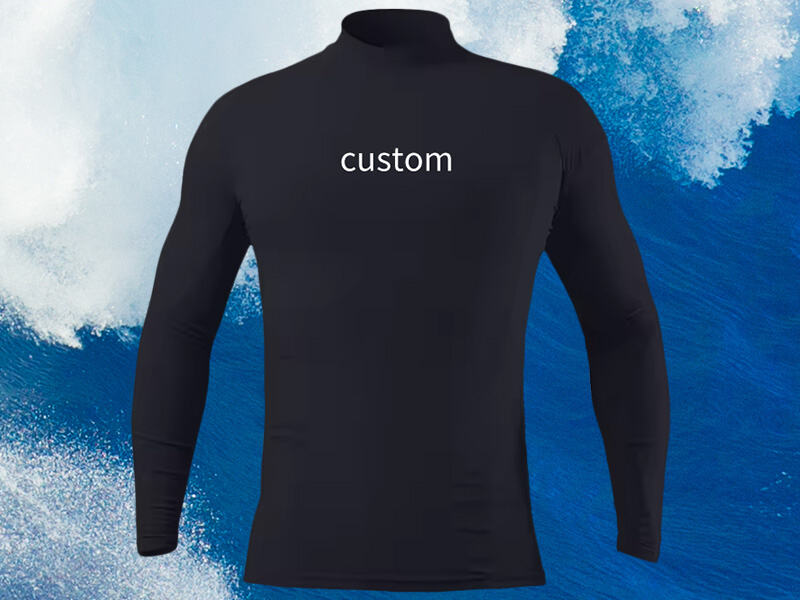
Choosing the Right Fabric for Custom Rash Guards
Performance Comparison: UV Protection, Stretch Recovery, and Chlorine Resistance Across Lycra, Spandex, Polyester, and Nylon
Selecting optimal fabric for custom rash guards requires evaluating key performance metrics. For UV protection, polyester and nylon offer inherent UPF 50+ ratings–blocking 98% of UV rays–while Lycra and Spandex depend on additive treatments for similar protection.
In stretch recovery, polyester-Spandex blends maintain 92% shape retention after 50+ washes, making them ideal for long-term wear. Nylon blends provide superior elasticity (up to 200% stretch) but dry more slowly. Pure Lycra delivers excellent compression fit but degrades 40% faster in chlorinated water, limiting its lifespan in pool environments.
Chlorine resistance is critical for aquatic athletes: polyester outperforms nylon with three times greater resistance to chemical degradation, according to the Textile Testing Journal (2023), making it the top choice for swim and triathlon use.
Why Polyester-Spandex Blends Dominate Pro Use: Data-Driven Insights from the 2023 ISA Fabric Survey
The 2023 International Sportswear Association (ISA) survey found that 87% of professional aquatic athletes prefer polyester-Spandex blends, driven by three key advantages:
- Durability-Cost Ratio: These blends withstand 2.5 times more abrasion than nylon alternatives at 30% lower cost
- Moisture Management: Wicking performance is 50% faster than Lycra-based fabrics during high-intensity activity
- Print Compatibility: Sublimation dye vibrancy lasts 68% longer after repeated washing
This balanced combination of UV shielding, four-way stretch, and chemical resilience makes polyester-Spandex the standard for tournament-grade custom rash guards.
Printing Methods for Custom Rash Guards: Sublimation vs. Alternatives
Sublimation Advantages: Full-Color Vibrancy, Wash-Proof Durability, and Seamless Fabric Hand
Sublimation printing sets the benchmark for performance-oriented custom rash guards, delivering full-color graphics with unmatched durability through 50+ washes (Textile Testing Institute 2024). The process bonds dye directly into polyester-Spandex fibers at the molecular level, eliminating surface texture changes–so prints move naturally with the fabric and preserve moisture-wicking function.
Unlike surface-level methods, sublimation resists cracking, fading, and saltwater degradation, making it ideal for oceanic and competitive environments. Designers use its full-coverage capability to wrap intricate patterns across sleeves and torsos without compromising breathability or stretch.
When to Choose Screen Printing or Heat Transfer: Cost, Volume, and Design Constraints
For high-volume orders exceeding 50 units, screen printing offers a 40% cost advantage for single-color logos, according to industry benchmarks. It works best on simpler designs with limited colors and is ideal for standardized team uniforms.
Heat transfer works best when dealing with small runs or those urgent last minute changes that always seem to pop up. The process lets things get done quickly without having to spend money on all that setup stuff. But there's a catch worth mentioning here. That sticky adhesive layer actually cuts down on breathability somewhere around 15 percent less than what we see with sublimation printing. And let's face it, fabrics treated this way just don't hold up as well after multiple washes and wears. Both heat transfer and screen printing have trouble handling those gradient color transitions and covering entire garments evenly. Neither comes close to matching how well sublimation integrates into technical fabrics either. For quick tests or sudden emergencies, go with heat transfer. When ordering in bulk though, screen printing remains the reliable choice for consistently good results across all pieces.
Strategic Logo Placement on Custom Rash Guards
The 3 High-Impact Zones: Chest, Sleeve, and Lower Back – Balancing Visibility, Mobility, and Fabric Integrity
Maximizing brand impact on custom rash guards requires strategic placement across three key zones. The chest offers prime visibility during competitions and media coverage, but logos must avoid seams to prevent peeling and maintain stretch integrity.
Sleeve placements provide secondary recognition during movement and suit smaller designs–typically under 3" in diameter–to avoid restricting elasticity. The lower back allows for larger, high-impact branding but requires reinforced printing to endure friction from surfboards, backpacks, or equipment.
All placements must pass stretch recovery testing, as improper application can reduce chlorine resistance by up to 40%, according to textile durability studies.
Brand Authority vs. Athlete Preference: Navigating Competition Guidelines and Market Expectations
Balancing sponsor visibility with athlete comfort is a core challenge in custom design. While 78% of teams prioritize chest logos for brand exposure (2024 Athletic Apparel Trends Report), individual athletes often prefer sleeve or lower-back placements to minimize restriction during overhead or dynamic movements.
Competition rules further influence design–major surfing associations cap back panel logos at 20 square inches. Successful solutions use modular templates that maintain brand consistency while adapting to sport-specific mobility needs and regulatory limits.
Design Integration Essentials for Professional Custom Rash Guards
Professional custom rash guards require a holistic design approach that aligns aesthetics with performance. Use 20–30% spandex blends to ensure unrestricted mobility during dynamic movements, paired with UPF 50+ rated fabrics for reliable sun protection. Flatlock stitching in high-friction areas prevents chafing and enhances durability.
When designing sportswear, fabric integrity matters a lot, especially when it comes to those tricky spots where stress builds up over time. Shoulders and underarms tend to stretch out if we put too much graphic detail there. That's why smart designers save their boldest prints for places that stay put longer - think chest area, back panels, maybe even along the sleeves. Sublimation printing works wonders here because the colors actually become part of the fabric rather than sitting on top of it. And let's face it, nobody wants their favorite workout shirt to fade after one wash. The whole point is creating something that looks great but doesn't compromise on performance either. Brands that get this balance right see real results from athletes who need gear they can trust during intense training sessions or competition days.
Frequently Asked Questions (FAQ)
What is the best fabric for custom rash guards?
Polyester-Spandex blends are the preferred choice for custom rash guards due to their durability, UV protection, and chemical resistance.
How does sublimation printing benefit custom rash guards?
Sublimation printing allows for vibrant, full-color graphics that integrate seamlessly into the fabric, enhancing durability and preserving the garment's performance.
Where should logos be placed on custom rash guards?
Strategic logo placement includes the chest, sleeves, and lower back, ensuring visibility and fabric integrity while adhering to competition guidelines.