
 EN
EN
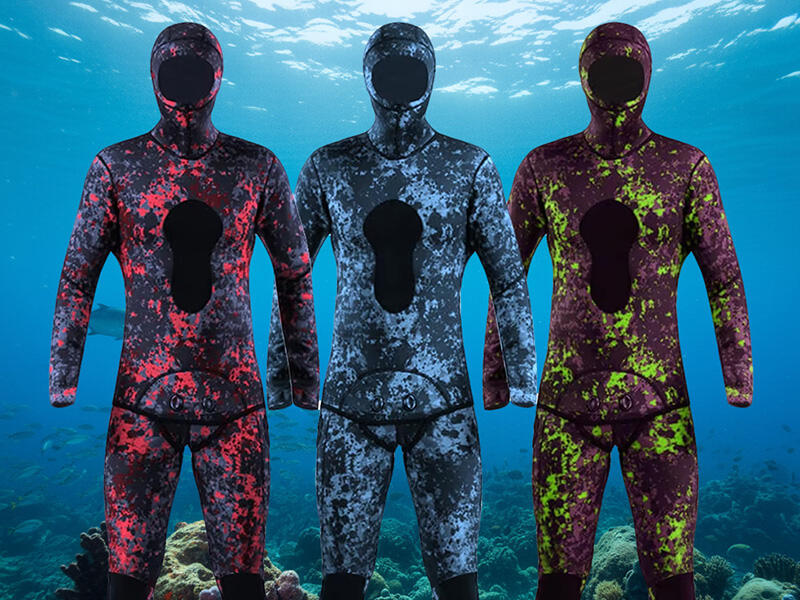
Wetsuit Thickness and Thermal Protection for Deep Water Conditions
Matching Neoprene Thickness to Water Temperature and Depth
Getting the right neoprene thickness matters a lot when diving deep for spearfishing. Cold water is the main concern first and foremost. If temps dip below 15 degrees Celsius (around 59 Fahrenheit), then 5 to 7 millimeter suits work best. When it gets really chilly down there, under 10 degrees Celsius (about 50 Fahrenheit), divers need something thicker like 7mm plus or even semi dry suits. Going deeper makes things worse in two ways actually. Water gets colder by roughly 1 to 2 degrees every 10 meters down, and the pressure itself squishes the neoprene material, making it lose warmth faster than expected. So smart divers think about these things together when picking their gear for cold water dives.
Depth-Induced Compression: How Insulation Loses Effectiveness Below 30m
Once divers go past around 30 meters down, neoprene starts losing its ability to keep them warm. The air pockets inside the suit get squished by water pressure from above, which makes the whole thing less insulating. When someone reaches about 40 meters depth, they'll notice their body loses heat twice as fast as it would on land. Regular foam materials in most wetsuits actually shrink between 20 to 30 percent at those depths, leaving gaps where cold water can sneak in especially around moving parts such as shoulders, knees and even the middle of the back. That's why serious spearfishermen invest in special wetsuits made with thicker, tougher cells designed specifically for going deeper underwater. These suits cost more money but make all the difference when spending time in colder waters below 40 meters.
High-Performance Neoprene: Yamamoto #45 vs. #50 at 40m (12% vs. 8% Compression)
Premium Japanese neoprene—particularly Yamamoto #45 and #50—delivers significantly better compression resistance than standard grades. Independent testing at 40m reveals:
| Neoprene Grade | Compression Rate at 40m | Warmth Retention | Flexibility |
|---|---|---|---|
| Yamamoto #45 | 12% | 84% | Excellent |
| Yamamoto #50 | 8% | 92% | Good |
Yamamoto #50’s denser formulation sacrifices minimal flexibility for 33% greater compression resistance—making it the optimal choice for sustained dives below 30m where thermal integrity outweighs marginal mobility trade-offs.
Neoprene Material Quality: Warmth, Flexibility, and Compression Resistance
Open Cell, Smoothskin, and Sandwich Constructions Compared for Deep Diving
When open cell neoprene sticks to the skin directly, it stops water from getting in between the suit and body, which means better heat retention overall. This makes these suits great for quick dives down and staying underwater for extended periods especially when going past 30 meters depth. The smooth skin exterior definitely cuts down on resistance during movement, probably around 15% less drag according to tests. However, because these surfaces are so thin without any extra layers, they tend to compress too much when diving deeper than 40 meters. A sandwich style build where nylon gets laminated onto one or both sides of the neoprene creates a good middle ground between lasting power and staying flexible enough for comfortable movement. But watch out for cheaper models since constant pressure changes while diving can actually cause those layers to separate over time. Most experienced divers who hunt in deep waters find that combining open cell inner layers with either reinforced smooth skin or some kind of mixed material on the outside gives them what they need most from a wetsuit: proper sealing against cold water, sufficient insulation, and something that won't fall apart after several seasons of use.
Thermal Efficiency vs. Long-Term Resilience: Trade-offs in Deep-Water Use
The Yamamoto #45 offers good warmth right from the start and feels pretty flexible on land, but divers will notice it loses about 12% of its insulating properties once they hit 40 meters down because those tiny bubbles inside get squashed so easily. The #50 model holds onto 92% of its heat retention even at depths over 30 meters, which means spearos can stay underwater longer without freezing their fingers off in chilly waters. Sure, the material is a bit stiffer compared to regular stuff, but what makes it stand out is how tough it really is. Most people find that these wetsuits last about twice as long as standard neoprene options when diving in rough conditions, especially if they have those extra strong seams and are at least 5mm thick throughout. When chasing fish way past the warm surface layer, most experienced divers agree that having gear that lasts through multiple seasons matters far more than being able to bend every joint like a contortionist before jumping into the water.
Fit, Cut, and Design: Enhancing Mobility and Sealing Under Pressure
Precise fit and intelligent design are non-negotiable for deep-water spearfishing wetsuits, where pressure intensifies and mobility directly impacts safety and success. A suit must seal flawlessly against cold water intrusion while allowing unrestricted movement for efficient descent, maneuvering, and hunting.
Steamer vs. Two-Piece Wetsuits: Thermal Continuity and Depth Adaptation
One piece steamer suits give continuous warmth all over because they don't have that annoying waist seam which often leaks in regular two piece wetsuits. When divers go deeper than about 30 meters or so, the water pressure starts squeezing the neoprene material and putting stress on those seams. This makes cold water sneak in through the waist area where the suit is joined together. Two piece suits are generally easier to put on and let divers adjust how thick different parts need to be, like making the torso section thicker while keeping legs and arms thinner. But there's no getting around it - that seam where the pieces connect becomes a real problem when diving deep. Anyone who spends time down past the thermocline layer, particularly in colder waters under 15 degrees Celsius, will quickly learn why a properly fitting quality steamer suit offers far better protection from both conductive and convective heat loss compared to other options.
FAQs
What thickness of wetsuit is best for cold water diving?
For waters below 15 degrees Celsius, a wetsuit thickness of 5 to 7 millimeters is recommended. For temperatures under 10 degrees Celsius, 7mm or thicker suits provide better thermal protection.
Why does neoprene lose effectiveness below 30m?
Neoprene loses effectiveness due to pressure compressing air pockets within the material, reducing insulation ability significantly.
What is the benefit of Yamamoto neoprene at deep dives?
Yamamoto neoprene offers superior compression resistance and warmth retention, making it ideal for deep dives where regular neoprene loses its insulative properties.
What's the difference between one-piece steamer suits and two-piece wetsuits?
One-piece steamer suits provide consistent warmth without the seam that lets cold water in, while two-piece suits offer more flexibility but are prone to leakage at the waist seam when diving deep.