
 EN
EN
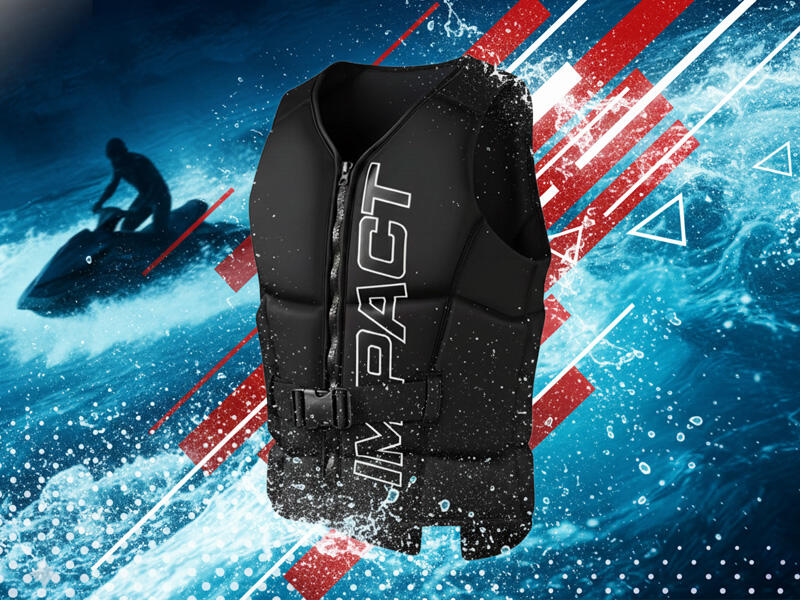
Understanding the Role of Impact Vests in Jet Skiing Safety
Purpose and Importance of Impact Vests in High-Speed Water Sports
Riders need good impact vests when they're out there on those high speed jet skis, especially since falls can happen at over 30 miles per hour. The vests work by soaking up all that force with thick foam inside them, which cuts down on broken ribs and other serious internal damage. We know this matters because almost 6 out of 10 people who end up in hospitals from water sports accidents have some kind of chest injury according to Water Sports Safety International's report from last year. What makes these different from regular floatation devices is how they focus on absorbing impacts first while still letting riders move freely in the water. This means professionals can perform their tricks and stunts much safer than before.
How Impact Vests Differ from Traditional Life Jackets and PFDs
Jet ski impact vests give up some buoyancy for better movement around the water. Most models provide around 7 to 12 pounds of lift force, while traditional Type III PFDs offer between 15 and 22 pounds. The trade off is worth it for many riders who need that extra freedom when things get wild on the waves. These vests feature sleek neoprene construction without those annoying collar sections that restrict movement. Riders can rotate their shoulders completely through 180 degrees, which makes all those fancy tricks and maneuvers possible. A recent study from Watersport Gear Analysis found something pretty interesting too. When someone wipes out, these impact vests actually cut down collision forces by nearly half compared to standard rigid life jackets. That's why so many serious jet skiers prefer them over bulkier alternatives when they're out having fun and pushing their limits.
Key Safety Standards: CE Approved vs. U.S. Coast Guard Compliance
Impact vests certified under CE standards (EN ISO 12402-5) are all about resisting wear and spreading out forces across the body, which explains why they're so popular throughout Europe. The American market takes a different approach though, with products built to meet ASTM F3097-22 crash test specs that prioritize how well they absorb impacts. Neither of these options actually satisfies the strict requirements set by the U.S. Coast Guard for personal floatation devices. But here's what's happening on the ground: around 23 states have started recognizing ASTM certified impact vests as acceptable safety equipment, provided they're worn along with traditional life jackets or other flotation gear. Makes sense really, since combining protection layers can offer better overall safety in certain situations.
Essential Features of a High-Performance Jet Ski Impact Vest
Lightweight Design, Flexibility, and Unrestricted Mobility for Active Riding
Jet ski impact vests designed for top performance manage to offer good protection without slowing down the rider too much, usually coming in at around 2.5 pounds or less. Most are made from stretchy neoprene material with padded sections that mold to the body shape. This helps reduce any annoying bulk when making sharp turns or pulling off tricks in the air. Riders find they can move more freely thanks to this sleek setup. According to some recent studies from last year, skiers using these modern vests reported being able to handle their machines about 33 percent better compared to older models that were heavier and bulkier.
Optimal Fit, Comfort, and Adjustability for Long-Term Wear
| Feature | Benefit |
|---|---|
| Contoured Panels | Reduces chafing during repetitive movements |
| Quick-Release Buckles | Enables rapid removal in emergencies while maintaining secure fit |
| Ventilated Liners | Minimizes heat buildup during extended sessions |
Adjustability is crucial—63% of riders in a Ponemon Institute survey (2023) cited vest slippage as a primary discomfort. Premium models address this with tri-glide adjusters and ergonomic armholes that maintain a snug, customized fit without restricting motion.
Advanced Materials and Construction in Premium Impact Vests
The best impact vests on the market rely on high density EVA foam that actually soaks up around 40 percent more impact force compared to regular foams we see in cheaper models. A few manufacturers have started adding NBR foam specifically for protecting the spine area too. Tests done by third party labs indicate this setup cuts down the chance of broken ribs by roughly 28% when someone takes a hit at highway speeds. What really makes these vests last though is the reinforced stitching they put at all the pressure points plus those stretchy polyester covers that resist wearing out even after exposure to salt water. Most people report getting good use out of them for well over five full seasons before needing replacement.
Compatibility with Protective Outerwear and Layered Safety Gear
Jet ski impact vests are built to work well with other gear, featuring those low profile collars and cutouts that make them compatible with harnesses. Riders can easily layer these vests under wetsuits, rash guards, or even wear them alongside their GPS devices without any problems. The inner lining wicks away sweat so skin stays comfortable during those long days on the water. We've also placed the padding just right so it doesn't get in the way of safety gear worn around the waist area. When temperatures drop, there are 3mm neoprene versions available too. These provide enough warmth without making the vest too buoyant, which is important because nobody wants their board feeling sluggish when they need to maneuver quickly.
Type III PFDs vs. Impact Vests: Choosing the Right Buoyancy Aid for Jet Skiing
Why Type III PFDs Are Recommended for Personal Watercraft Enthusiasts
Most jet skiers stick with Type III PFDs because they offer just the right mix between staying safe and being able to move around freely. The vests have about 15.5 pounds of floatation power which meets what the Coast Guard says is enough for adults, but without restricting arm movement so much that people can't steer properly or get back on board after falling off. Statistics show something pretty important here too: roughly seven out of ten jet ski accidents happen when riders fall into the water and need to scramble back onto their craft quickly. That's why having good mobility in a life jacket really matters sometimes.
Functional and Regulatory Differences Between CGA-Approved PFDs and Impact Vests
The U.S. Coast Guard sets specific requirements for life jackets, looking at buoyancy levels between 15.5 to 22.5 pounds to keep someone afloat when things go wrong in the water. Impact vests work differently though they're designed to absorb force during collisions through layers of foam or airbags, but most just don't provide enough floatation power. A recent check showed only around 38 percent of these vests actually pass both the CE EN 1621-4 standard for impact protection and the ISO 12402-5 requirement for proper buoyancy. That leaves quite a gap in safety for anyone spending time near the coast where waves can get rough. Some manufacturers are now making hybrid gear that combines regular Type III buoyancy with certified impact areas. These mixed models give better overall protection against both drowning risks and injuries from smashing into rocks or boats, although they tend to be bulkier and less comfortable than traditional options.
Legal Requirements and Real-World Use of Impact Vests on Jet Skis
Regional Legal Requirements for Wearing Impact Vests on Jet Skis and WaveRunners
Regulations across the U.S. aren't exactly uniform when it comes to watercraft safety gear. About 78 percent of coastal states actually demand Type III PFDs instead of impact vests for riding personal watercraft in 2024. Impact vests do offer good protection during collisions, but most don't meet that 15.5 pound buoyancy requirement set by the Coast Guard. Officers patrolling waters in around 32 different states will typically look for three main things when checking equipment: proper USCG approval markings, enough floatation power, and closures that stay fastened properly. Things work differently over in Europe where some areas allow CE certified impact vests as long as there's something extra added for additional floatation support. Getting caught without the right gear can cost folks roughly $210 on average according to data from the National Association of State Boating Law Administrators back in 2023. Makes sense to double check what applies locally before heading out onto any body of water.
Recreational vs. Competitive Use: When an Impact Vest Adds Maximum Value
When it comes to competitive jet skiing, impact vests really shine because those machines hit over 60 mph and crashes tend to be pretty severe. According to research from the Water Sports Safety Council last year, vests certified by CE standards cut down on torso injuries by around 40 percent during freestyle competitions when compared with regular life jackets. For folks who just want to ride around casually without feeling restricted, there are these hybrid models available that provide about 16 pounds of floatation along with built-in padding for impacts. Most serious racers go for the modular setups that work well with separate chest guards something that about two thirds of professional teams have started using according to data from the International Jet Sports Boating Association back in 2023. These combinations give athletes that extra layer of safety they need at high speeds.
Frequently Asked Questions
What is the main purpose of an impact vest in jet skiing?
Impact vests are designed to absorb collision forces and protect the rider from serious injuries, such as broken ribs, during high-speed falls.
How do impact vests differ from regular life jackets?
Unlike life jackets, impact vests focus primarily on absorbing impacts while offering greater mobility, making them ideal for sports that require high maneuverability.
Are impact vests legally required for jet skiing?
Legal requirements vary by region. In the U.S., Type III PFDs are often required, but some states recognize ASTM certified impact vests as acceptable safety gear when used alongside traditional floatation devices.