
 EN
EN
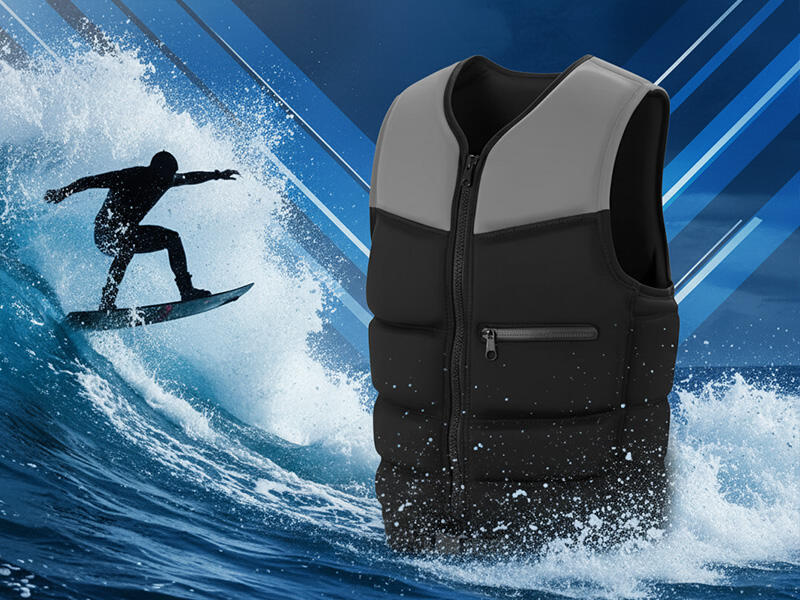
Impact Protection: How Wakeboard Vests Shield Riders During Falls
Mechanisms of Impact Absorption in Wakeboard Vests
Modern wakeboard vests are built with special closed cell foam and neoprene mixtures that help spread out the shock when someone takes a tumble. When these materials get compressed upon impact, they actually cut down the maximum force experienced by around 40 percent versus just falling without protection according to research published in the International Journal of Sports Science back in 2023. The best vests have multiple layers focused on protecting those vulnerable spots such as the chest area and rib cage region. Manufacturers have found through testing that certain angled foam arrangements work really well at steering away much of that dangerous energy before it reaches important internal organs. This kind of engineering makes all the difference between a painful wipeout and something far worse.
Preventing Upper Body Injuries During High-Speed Wipeouts
When going faster than 20 miles per hour, the water's surface tension actually hits with force similar to hitting concrete. According to the Watersports Safety Report from 2022, wake vests cut down on collarbone breaks by about two thirds and protect ribs too, reducing those injuries by over half during fast crashes. The design is pretty smart really. They put stiff EPS foam panels right where they need them along the back, but leave other areas flexible so riders can still twist and turn when doing their tricks. These flexible parts let for normal body movement while keeping all the important stuff inside safe from impact.
Design Features That Maximize Impact Protection in Wake Vests
Top-performing models integrate:
- Mesh drainage panels preventing water retention that adds weight during falls
- Ergonomic padding tapered at the edges to eliminate pressure points
- Hybrid closure systems combining quick-release buckles with neoprene stretch zones for consistent compression
Research from safety engineers confirms vests maintaining 85% of their impact absorption after 3 years of saltwater exposure outperform cheaper alternatives by 2:1 in durability testing.
Buoyancy and Flotation: The Life-Saving Function of Wakeboard Vests
How Wakeboard Vests Provide Essential Buoyancy on the Water
Most wakeboarding vests rely on closed cell foam or those modular buoyancy panels to keep people from sinking when things go wrong on the water. What sets them apart from regular life jackets is how they spread about 7 to 12 pounds worth of floatation across the chest area without getting in the way of arm movements needed for riding. When someone takes a tumble, the foam actually squishes down to take some of the hit, yet still manages to push the rider back up quickly enough to minimize how long they stay underwater. Studies from folks in the industry suggest that wearing these properly fitted vests can cut down on tiredness by roughly 40 percent during longer rides compared to just wearing impact gear without any real buoyancy. Still worth noting though, these vests don't have the same kind of solid construction as Coast Guard approved life jackets, which specifically include features meant to turn someone who blacks out face up in the water.
Comparing Buoyancy: CGA Life Jackets vs. Wakeboard-Specific Vests
| Feature | CGA Life Jackets | Wakeboard Vests |
|---|---|---|
| Buoyancy Range | 15–22 lbs (CGA Standard) | 7–12 lbs |
| Primary Safety Goal | Unconscious victim recovery | Injury prevention & mobility |
| Best For | Open-water boating | Controlled wakeboarding zones |
CGA approved life jackets actually offer about twice the floatation power that those specialized wake vests do, which is pretty important when emergencies happen on the water. The wake specific vests cut down on total buoyancy so riders can move more freely, with their foam being much thinner over areas where impacts commonly occur such as the rib cage and back area. For people riding in controlled conditions where there's not much risk involved, this makes sense. Studies looking at different types of flotation equipment show that these wake vests reduce injuries from collisions by roughly 32 percent when compared against regular vests without padding. Makes sense why many recreational boaters prefer them despite the reduced safety margin.
CGA-Approved Life Jackets vs. Wakeboard Impact Vests: Understanding the Differences
Key differences in safety standards and construction
Life jackets approved by the CGA and wakeboarding impact vests each have their own important safety functions. Life jackets made under CGA standards are all about keeping someone afloat, especially with those hard foam panels inside that help turn people onto their backs when they fall into water. This design meets the requirements set by the U.S. Coast Guard for Types I through III life jackets. On the other hand, wakeboard vests need to be flexible enough for movement but still offer good protection against impacts. Most of these vests use either segmented foam pieces or neoprene material throughout the body to absorb shocks while allowing for reasonable range of motion during tricks and turns on the water.
| Feature | CGA Life Jacket | Wakeboard Impact Vest |
|---|---|---|
| Safety Standard | U.S. Coast Guard Type I-III | No formal buoyancy certification |
| Buoyancy | 15.5–22+ lbs of lift | 7–12 lbs of lift |
| Materials | Stiff foam panels | Flexible neoprene/mesh |
| Primary Use | Emergency flotation | Impact protection during sports |
According to the 2024 Water Safety Report, CGA life jackets reduce drowning risks by 85% compared to non-certified alternatives. Wake vests excel in high-speed scenarios, absorbing up to 40% of impact force during falls (WakeSports 2023).
When to choose a CGA life jacket over a wake vest (and vice versa)
Opt for CGA life jackets in open-water environments or with inexperienced riders, where emergency flotation is critical. Wake vests suit advanced riders performing tricks, as their flexible designs allow unrestricted movement. Hybrid models now blend CGA certification with impact foam, though these remain 23% heavier than standard wake vests.
Proper Fit and Sizing: Ensuring Maximum Safety and Performance
How well a wakeboard vest actually protects someone really comes down to how it fits on their body. If the vest is too loose, it just slides around when someone takes a fall, leaving big spots where there's no protection against impacts. On the flip side, vests that are way too tight can make it hard to breathe properly and limit movement while riding. According to data published in last year's Water Safety Equipment Report, buoyancy gear that doesn't fit right cuts down on core protection by about 40 percent. That number makes it pretty clear why getting the right size matters so much if we want to prevent injuries on the water.
Why a Properly Fitted Wakeboard Vest Is Critical for Protection
Ill-fitting vests fail to stabilize the ribcage during hard falls, increasing risks of sternum fractures and internal injuries. Performance-focused designs use adjustable side cinches and contoured foam panels that mold to the rider’s torso, maintaining consistent pressure distribution even during 30+ mph crashes.
How to Measure and Select the Right Size for Your Body Type
- Chest Measurement: Use a flexible tape measure 2" below the armpits while exhaling normally
- Torso Length: Measure from collarbone to waistline to ensure full coverage
- Weight Range: Cross-reference manufacturer charts – weight distribution affects buoyancy alignment
As highlighted in sports safety studies, riders between standard sizes should prioritize torso length over chest measurements, opting for adjustable hybrid vests that accommodate atypical proportions without compromising safety.
Types of Wakeboard Vests and Their Safety Applications
Recreational vs. Performance-Oriented Wake Vest Designs
When it comes to wakeboarding gear, vests basically come in two main types. The recreational ones are all about comfort, made with stretchy neoprene material that doesn't add much bulk for folks who just want to ride around casually. Performance oriented vests tell a different story though they're built first and foremost for impact protection. These high end models typically have NBR foam padding strategically placed around the spine area and ribs. The chest panel is roughly 25 percent thicker than what you'd find on regular models, which helps soak up those inevitable crashes when attempting tricks. For serious competition riders, manufacturers include special arm mobility zones along with moisture wicking liners inside the vest. These features make a real difference when pushing limits on the water.
Choosing the Right Vest Type Based on Riding Style and Safety Needs
For those riders who love hitting the air and pulling off tricks, investing in a performance vest makes sense. Look for models with segmented padding that moves with the body and waistbands designed to stay put during intense action. Casual folks just out for fun on the water will find lighter weight vests much more comfortable, especially ones with breathable mesh panels that keep them cool all day long. Water conditions matter too. When riding on rough lakes where waves are constantly crashing around, go for something rated at least 16 pounds of buoyancy support. But if it's just a peaceful morning on calm waters, a thinner profile works just fine. Getting proper coverage is important too. A good rule of thumb is to make sure the vest reaches about two to three inches below the collarbone area. This helps protect ribs from impact while still allowing full range of motion when needed.
FAQ
What are the main differences between wakeboard vests and CGA life jackets?
CGA life jackets are designed for maximum flotation and safety in emergencies, offering 15-22 lbs of buoyancy. They are ideal for open-water environments. Wakeboard vests, on the other hand, offer 7-12 lbs of buoyancy and focus on injury prevention and mobility for controlled wakeboarding zones.
How do wakeboard vests protect against impacts?
Wakeboard vests incorporate special materials like closed cell foam and neoprene, which disperse impact forces by up to 40%. Advanced designs include ergonomic padding and strategic foam placements to protect vital areas such as the chest and ribs.
Can wakeboard vests replace CGA life jackets?
No, wakeboard vests cannot replace CGA life jackets in terms of flotation and emergency safety features. Wakeboard vests are designed primarily for sports impact protection, whereas CGA life jackets are developed to ensure survival in open-water conditions.
How should I choose the right size wakeboard vest?
Choosing the correct size is crucial for safety. Measure your chest and torso length and refer to manufacturer size charts. A well-fitted vest should securely cover the torso without being too tight or too loose, ensuring full protection without restricting movement.
Table of Contents
- Impact Protection: How Wakeboard Vests Shield Riders During Falls
- Buoyancy and Flotation: The Life-Saving Function of Wakeboard Vests
- CGA-Approved Life Jackets vs. Wakeboard Impact Vests: Understanding the Differences
- Proper Fit and Sizing: Ensuring Maximum Safety and Performance
- Types of Wakeboard Vests and Their Safety Applications
- FAQ