
 EN
EN
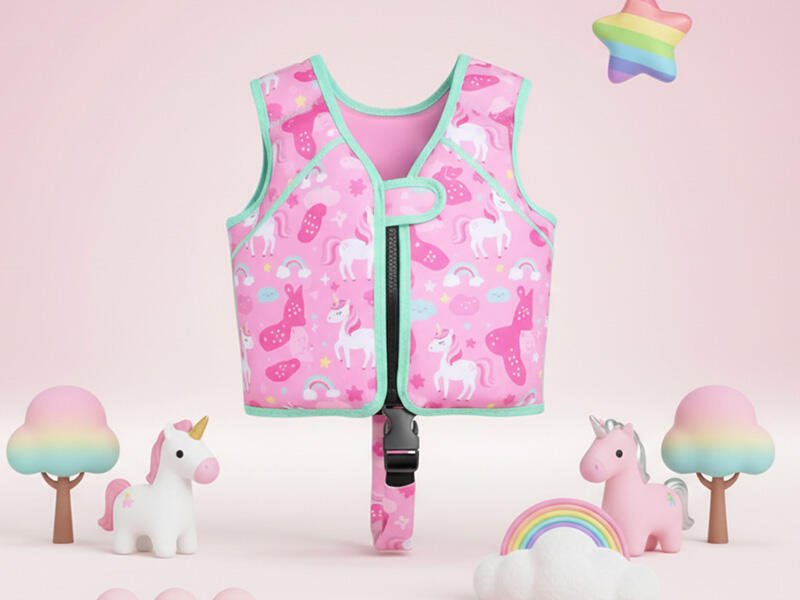
Understanding U.S. Coast Guard-Approved PFD Types for Children
When it comes to kids' swim gear, the US Coast Guard has divided life jackets into five different categories, though Types II and III matter most for little ones learning to swim. Type II jackets give around 7 to 11 pounds of lift and actually help flip someone who passes out back to the surface, so they work great for toddlers or anyone still getting comfortable in the water. Then there's Type III vests that also float about the same amount but let kids move around better, which makes these better choices during actual swim classes or when playing safely in pools under adult watch. According to a recent study from the National Drowning Prevention Alliance in 2023, nearly all water safety professionals stress checking those official USCG stickers on the gear because they list exactly what weights the vest works for and where it should be used properly.
Type 2 vs. Type 3 USCG-Approved Life Jackets: Best Uses for Kids
| Feature | Type II PFD | Type III PFD |
|---|---|---|
| Buoyancy Performance | Turns wearer face-up | Maintains natural swimming posture |
| Activity Suitability | Boating, open water | Swimming pools, supervised play |
| Mobility | Restricted movement | Unrestricted arm motion |
Type II excels in emergencies where rapid rescue isn’t guaranteed, while Type III balances safety and comfort during active play.
EU Standard EN 13138 vs. USCG Certification: What Parents Should Know
Swim training equipment falls under the EU's EN 13138 standard instead of those meant for actual lifesaving PFDs. These training vests only need to provide between 5.5 and 11 pounds of buoyancy support, which is actually less than what the US Coast Guard requires as their minimum at 7.5 pounds. Because of this difference in requirements, most people who get EN 13138 certified vests shouldn't be using them in open water situations or when no one is watching. Families that travel across borders might want to look for vests that meet both standards though. Getting something that works with both sets of rules gives parents peace of mind while still allowing kids to practice swimming skills safely wherever they go.
Global Safety Certifications for Kids Swim Vests: Ensuring Compliance
In addition to meeting USCG and EN 13138 standards, good quality life vest makers also follow Transport Canada's rule about needing at least 11 pounds of buoyancy plus the ISO 12402-5 test requirements. When looking at a life jacket, don't forget to look for those official stickers close to where the size is printed on it. According to research from the Global Water Safety Initiative back in 2024, around three out of four vests that didn't meet safety standards simply didn't have these important markings showing they were approved. For anyone planning trips across different bodies of water or facing unpredictable weather situations, going for life jackets certified under multiple international standards makes sense both practically and safely speaking.
Why One Size Doesn’t Fit All: Tailoring Fit by Age, Weight, and Body Proportions
A properly fitted kids swim vest must account for weight, torso length, and chest circumference. Vests for children aged 3–5 years typically support 30–50 lbs (13.6–22.7 kg), while older kids may need models rated for 50–90 lbs (22.7–40.8 kg). Ill-fitting vests can slip over the head or restrict movement—key contributors to aquatic incidents.
| Age Range | Weight Range | Torso Length | Key Fit Checkpoints |
|---|---|---|---|
| 2–4 yrs | 25–40 lbs | 12–14" | Straps don’t dig into neck |
| 5–8 yrs | 40–70 lbs | 14–16" | Vest stays below collarbone when lifted |
The Shoulder Lift Test: How to Check if a Kids Swim Vest Fits Securely
The shoulder lift test is the gold standard for verifying fit:
- Fasten all buckles and tighten straps snugly.
- Gently lift the child by the vest’s shoulder straps.
If the vest rises above the chin or ears, it’s too loose. Research shows 73% of parents who skipped this test discovered inadequate securement during real-world water emergencies.
Functional Straps, Buckles, and Structural Integrity for Long-Term Use
Adjustable nylon webbing with dual-side buckles allows customization as children grow. Reinforced stitching at stress points enhances durability, especially since chlorine and UV exposure degrade 42% of swim vests within two seasons. Choose crotch straps at least 1.5" wide to prevent ride-up during active use.
Essential Safety Mechanisms: Crotch Straps and Secure Closure Systems
Crotch Straps Prevent Slippage and Keep the Vest in Place During Play
The crotch straps on kids' swim vests really matter because they stop the vest from sliding up when children jump around, dive, or just get wild in the water. When these straps aren't there, the vests tend to move out of place about 58 percent more frequently according to some tests, which could leave parts of a kid's body exposed if conditions get rough. What these straps actually do is keep the vest securely attached to the body so the floating power spreads evenly between the hips and shoulders without restricting arm movement at all. This becomes super important for little ones who haven't developed much upper body strength yet.
Reliable Buckles and Adjustable Straps: Key to Consistent Protection
The best closure systems these days come with those double locking buckles crafted from special marine grade plastic stuff that just doesn't rust away or pop open when it shouldn't. The shoulder straps? They've been put through their paces and can handle around 50 pounds of tension before giving way, so kids growing like weeds still stay secure inside. Look for models that have two separate closure points instead of relying on just one buckle. Why? Well, tests show that single buckle designs tend to give out much quicker during emergencies, sometimes failing three times as fast as the dual point versions. Makes sense really when you think about how critical reliability becomes in stressful situations.
Buoyancy Performance and Water Safety: Designing Effective Kids Swim Vests
Optimal Buoyancy Distribution for Balance, Support, and Natural Movement
Good swim vests spread out their floating material across the body so swimmers stay upright and can move their arms naturally while in the water. Most designs use foam sections or air pockets that match how humans float naturally, often thicker on the front and back areas to make sure breathing isn't blocked. When the buoyancy isn't balanced properly, kids tend to get tired faster. Research from River & Lake Safety Institute shows this kind of imbalance actually makes them tire about 24 percent quicker if they weigh less than 50 pounds. That's why many manufacturers now create vests with shapes that fit the body better. These designs not only help kids feel more secure in the water but also cut down on those dangerous tip overs when playing around.
Face-Up Turn Capability: Critical for Non-Swimmers and Weak Swimmers
When kids can't swim well on their own, having a life vest that turns them right side up is really important. Life jackets that meet USCG Type II standards usually have two separate air chambers plus special collars designed to flip someone who's unconscious onto their back within about five seconds. Research from the Aquatic Safety Bureau last year found something pretty shocking actually - around 4 out of every 10 vests that don't comply with these standards just won't do the job when tested in emergency situations. Parents should check for those soft padded collars that wrap around the neck area and support the jawbone without making it hard to breathe. This feature matters most for little ones weighing less than 40 pounds since their bodies are smaller and more vulnerable in water.
Meeting Minimum Buoyancy Requirements per Safety Standards
Kids’ swim vests must meet regional buoyancy thresholds:
- U.S. Coast Guard Type II: Minimum 11 lbs of lift for children over 30 lbs (effective 2025)
-
EN 13138 (EU): 50 Newtons (~11.2 lbs) for swimming aids
Certified vests retain buoyancy after 24 hours submerged, as waterlogged foam can lose up to 18% of its effectiveness. Avoid hybrid inflatable-foam designs, where pressure imbalances during activity may compromise structural integrity.
Visibility, Comfort, and Rescue-Oriented Design Features in Kids Swim Vests
High-Visibility Colors and Markings for Easy Spotting in Water
Bright neon swim vests can boost kids' visibility by around 40 percent compared to darker options according to the Water Safety Council from 2023. Think fluorescent oranges and lime greens that stand out whether it's sunny or cloudy outside. Those vests also tend to have reflective strips which really help when daylight fades. Most safety professionals suggest combining these vivid colors with eye-catching patterns like stripes or blocks. This makes it easier for parents and lifeguards to spot little ones fast if something goes wrong in the water. Some pool areas even enforce rules requiring these brightly colored vests during certain hours just for added protection.
Integrated Handles for Lifting and Emergency Rescue Support
The reinforced nylon handles positioned on both shoulders and across the back make it much easier to grab hold when kids start getting tired or wander off. According to a recent engineering study from 2023 looking at buoyancy aids, vests with two handles cut down rescue times dramatically compared to those without any handles at all in test situations. The handles need to withstand quite a bit of strain too – around 50 pounds of pulling force upwards – while still keeping the vest intact and comfortable for daily wear without leaving marks or irritation on the skin.
Head and Neck Support: Specialized Design for Infants and Young Toddlers
For kids under three years old, swim vests come equipped with special headrests designed to hold up their little necks and keep those tiny airways above water. This is really important since babies just don't have the muscle power to turn their heads back upright when they tip forward in the pool. Manufacturers also include soft chin protectors and nicely shaped collars so parents don't have to worry about red marks after long days at the beach. What makes these vests truly effective though? The foam inside spreads all around the body in every direction, which means little ones stay facing upwards naturally even when waves hit them or they splash around too much. Parents love this feature because it gives peace of mind knowing their child remains safely positioned no matter what happens in the water.
FAQ
What are the key differences between Type II and Type III life jackets?
Type II jackets are designed to turn a wearer face-up and are suitable for boating and open water. Type III jackets allow unrestricted arm motion and are best for swimming pools and supervised play.
What should parents consider when purchasing a kids' swim vest?
Parents should consider the vest's buoyancy, fit, comfort, and compliance with global safety certifications. It's important to choose a vest with the proper fit for a child's age, weight, and body proportions.
How often should a kids’ swim vest fit be checked?
Monthly fit checks are advisable, especially during periods of rapid growth to ensure the vest remains properly fitted.
Why are crotch straps important in kids swim vests?
Crotch straps prevent the vest from slipping up and ensure the buoyancy is distributed evenly, which keeps kids secure while playing actively in the water.
Table of Contents
- Understanding U.S. Coast Guard-Approved PFD Types for Children
- Type 2 vs. Type 3 USCG-Approved Life Jackets: Best Uses for Kids
- EU Standard EN 13138 vs. USCG Certification: What Parents Should Know
- Global Safety Certifications for Kids Swim Vests: Ensuring Compliance
- Essential Safety Mechanisms: Crotch Straps and Secure Closure Systems
- Buoyancy Performance and Water Safety: Designing Effective Kids Swim Vests
- Visibility, Comfort, and Rescue-Oriented Design Features in Kids Swim Vests
- High-Visibility Colors and Markings for Easy Spotting in Water
- Integrated Handles for Lifting and Emergency Rescue Support
- Head and Neck Support: Specialized Design for Infants and Young Toddlers
- FAQ