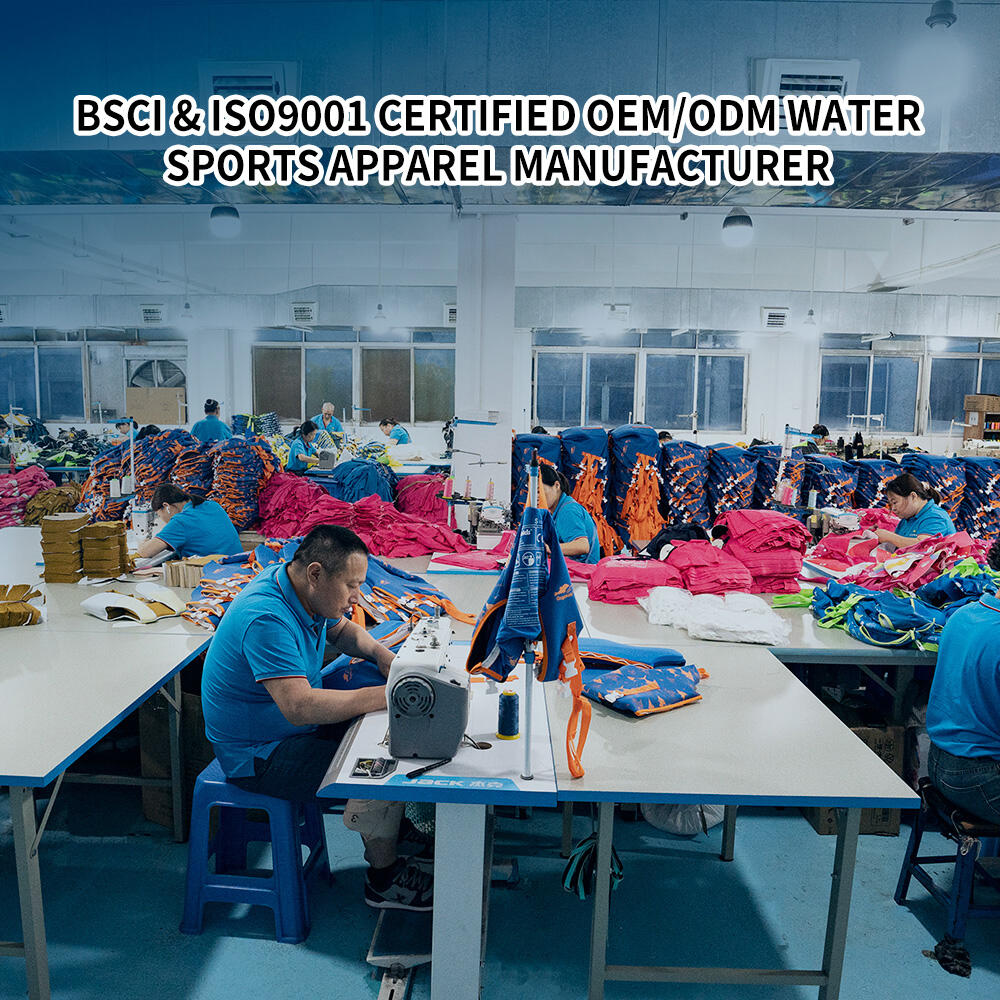
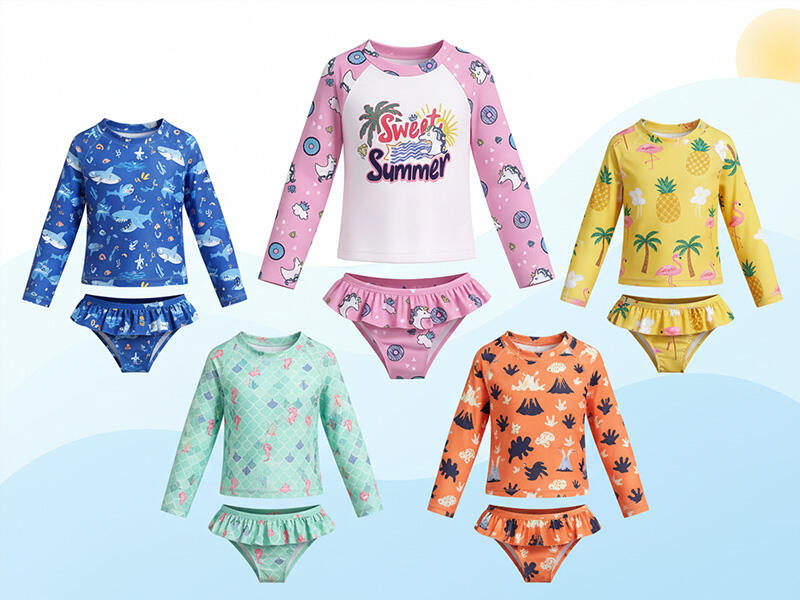
Kiinan tekstiilikeskukset Xingcheng, Jinjiang ja Yiwu ovat saavuttaneet melko merkittävää tulosta räätälöityjen lasten uimatakuiden valmistuksessa. Pelkästään Xingcheng käsittelee noin 40 prosenttia kaikista maan uimatakkiaineista, alkaen kloorinkestävistä nyloneista aina UV-säteitä tehokkaasti estäviin UPF 50+ -materiaaleihin saakka. Sitten on Jinjiang, jossa useimmat tehtaat hoitavat kaiken alusta loppuun – värjäyksen, leikkauksen ja kokoamisen – joissain tapauksissa vain kolmessa päivässä, joskus jopa nopeammin. Eikä pidä unohtaa Yiwua, joka yhdistää valmistajat lukuisiin lähialueen tarviketoimittajiin, jotka tarjoavat esimerkiksi reunuksia, digitaalisia painoksia ja nykyään myös paljon ympäristöystävällisiä pakkausratkaisuja. Näillä alueilla toimivat brändit voivat nähdä suunnitelmansa toteutuvan huomattavasti nopeammin, koska kaikki tapahtuu noin 200 kilometrin säteellä. Logistiikkahaasteet vähenevät noin kaksi kolmasosaa verrattuna yrityksiin, jotka sijaitsevat eri puolilla maata, viime vuoden alan raporttien mukaan.
Erityisalan toimittajien läheisyys todella lyhentää prototyyppien valmistusaikaa nykyään. Puhumme nyt noin 7–10 päivästä, mikä on itse asiassa alle kolmasosa siitä, mitä useimmat yritykset tavallisesti kokevat (he yleensä odottavat noin neljä viikkoa). Lisäksi on jaettuja testaustiloja, jotka tekevät lasten turvallisuusvarmennuksista paljon sujuvampaa työskentelyä (kuten EN 14682- ja CPSIA-standardit). Keskitettyjen alueiden digitaalisten painokeskusten ansiosta pienet erät käsitelläänkin hyvin. Otetaan esimerkiksi tämä uimapukuyritys, joka onnistui saamaan tuotteensa markkinoille huomattavasti nopeammin yhteistyössä Jinjiangissa sijaitsevan ODM-toimittajan kanssa, jolla oli jo hyväksyttyjä kankaita ja modulaarisia tuotantolinjoja. Koko tämän keskittymämallin vetovoimaa lisää se, että valmistajat voivat tilata pienempiä määriä (yleensä 50–200 kappaletta) ja silti maksaa noin 30 prosenttia vähemmän kappaleelta verrattuna tilanteeseen, jossa tuotteet valmistetaan hajanaisesti. Tämäntyyppinen joustavuus toimii loistavasti kausina, jolloin trendit muuttuvat nopeasti ja kokoelmia täytyy päivittää jatkuvasti.
Valmistajat tarjoavat täyden tuen sekä OEM- (Original Equipment Manufacturer) että ODM- (Original Design Manufacturer) -hankkeille, ja prosessi ulottuu karkeista luonnoksista tai mielikuvakarttojen käytöstä valmiiden tuotteiden hyllyille saattamiseen oikealla merkinnällä. Koko prosessi etenee melko sujuvasti ja kattaa muun muassa leikkuukaavojen tekemisen, kankaiden hankinnan, näytteiden hyväksymisen ja brändipakkauksen luomisen. Suurin osa tästä tehdään kolmessa viidessä viikossa riippuen siitä, kuinka monimutkainen suunnittelu on. Tämä lähestymistapa eroaa perinteisistä massatuotantomenetelmistä siinä, miten se toimii käytännönläheisten suunnitteluelementtien kanssa, jotka ovat tärkeitä lasten vaatteissa. Ajattele vahvistettuja saumauksia, joissa lapset yleensä repivät tavaroita leikkiessään, säädettäviä hihnoja, jotta vaatteet sopivat lapsen kasvaessa, ja saumoja, jotka sijoitetaan niin, että ne tuntuvat mukavilta ihoa vasten. Brändit säilyttävät luovuuden hallinnan ilman, että heidän tarvitsee huolehtia teknisistä tuotantokysymyksistä, koska yrityksessä ei tarvita erityistä valmistusteknistä osaamista.
Kun vähimmäistilauksien määrä laskee noin 50–100 tuotteeseen, se avaa ovia uusille muotimerkkeille, DTC-yrityksille, jotka ovat vasta perustamassa toimintaansa, sekä niille, jotka luovat rajoitettuja kokoelmia. Edun sijaan? Merkkien varastoriski on noin 40 prosenttia pienempi verrattuna aikoihin, jolloin suuria eriä tilattiin massoittain, kuten viimeisimmät DTC-alan tutkimustulokset vuodelta 2023 osoittavat. Tuotantoprosessin kesto on nykyisin kutistunut vain kuuteen viikkoon, joten yritykset voivat sovittaa valmistuksensa täsmälleen kuluttajien kysyntään eri vuodenaikoina. Ajattele, kuinka merkit julkaisevat erityisiä joulujuhlakokoelmia juuri ennen joulua, luovat kesäkapselikokoelmia rantareissujen tarpeisiin tai valmistautuvat koulupukuihin ajoissa syyskuuhun mennessä. Pienemmät yritykset, jotka keskittyvät tiettyihin kohderyhmiin, kuten vanhempiin, jotka hakevat pukuvarkaita esikouluikäisille, tai teineihin, jotka etsivät suurempia kokosarjoja, hyödyntävät näitä joustavia vähimmäistilauksia testatakseen markkinoiden kiinnostusta ennen kuin sijoittavat suuria summia. Lisäksi tämä järjestelmä mahdollistaa keskikauden uudelleentäydennyksen, mikä tarkoittaa, että kaupat voivat pitää suosittuja tuotteita saatavilla ilman, että myymättömät varastot kasaantuvat varastoihin.
Materiaalin innovaatio tasapainottaa suorituskyvyn, turvallisuuden ja kestävyyden:
Kaikki suorituskykykankaat testataan kovasti värien pysyvyydeltä suolavedessä sekä aurinkosuojavoiteen altistumisessa. Kierrätetyt vaihtoehdot edustavat nyt 35 % standardikangasvalikoimasta ja ovat hintatasoltaan samanlaisia perinteisten nailonien kanssa vuodesta 2022 alkaen. Merkkien on mahdollista yhdistää ominaisuuksia, kuten nopeasti kuivuvat sisustukset UPF-luokitelluilla ulkokerroksilla ilman MOQ-lisämaksuja.
Mukautetut lasten uimapuvut edellyttävät turvallisuusprotokollia, jotka on suunniteltu erityisesti lasten fysiologisten ja käyttäytymisen kannalta haavoittuvaisiin kohtiin. Kärkivalmistajat toteuttavat monitasoisen laadunvalvonnan, joka noudattaa CPSIA-, EN71- ja ASTM F963 -määräyksiä ja menee yhteensopivuuden lisäksi pidemmälle upottaakseen turvallisuuden tuotannon jokaiseen vaiheeseen. Testaukseen kuuluu:
Kolmannen osapuolen laboratoriot suorittavat kiihdytettyjä kulumistestejä ja toksikologiatarkasteluja; 92 % yhteensopivista valmistajista ylläpitää ISO/IEC 17025 -akkreditoidut omat laboratoriot eräkohtaiseen reaaliaikaiseen varmennukseen. Tämä lasten hyvinvoinnista lähtevä menetelmä muuttaa turvallisuusvarmistuksen laatikkorastin sijaan keskeiseksi brändierottuvuustekijäksi.
Vientiin keskittyvät valmistajat hoitavat nykyään logistiikan kokonaan itse. He huolehtivat tavaroiden viemisestä tullin läpi, säiliöiden optimoinnista tilan tuhoutumisen estämiseksi sekä monikielisten asiakirjojen valmistelusta. Tämä lyhentää toimitusaikaa noin 15–30 prosenttia verrattuna tavallisiin rahtimenetelmiin. Yrityksellä on varastot strategisesti sijoitettuina merkittäviin kiinalaisiin satamiin, kuten Shanghaissa, Ningbossa ja Shenzhenissä. Nämä sijainnit mahdollistavat järkevät reitityspäätökset riippuen siitä, minne lähetykset seuraavaksi menevät – olipa kyseessä matka Tyynenmeren yli Pohjois-Amerikkaan, Eurooppaan tai Australian suuntaan. Niiden seurantajärjestelmä yhdistyy suoraan tehtaiden tuotantokalenterien kanssa, joten yritykset voivat suunnitella varastotasojensa mukaan tarkasti ja käynnistää markkinointikampanjansa juuri oikeaan aikaan tuotteiden saapuessa. Pakkauksiin liittyen he varmistavat, että kaikki näyttää valmiilta kauppojen hyllyille ympäri maailmaa. Laatikot saapuvat kahdella kielellä varustettuine etiketteineen, käyttävät FSC-tasolla sertifioituja ympäristöystävällisiä materiaaleja ja sisältävät kaikki tarvittavat paperiasiakirjat jo valmiiksi täytettynä rajanylitysten helpottamiseksi. Koko tämä järjestely toimii yhtä hyvin muodikkaiden kausituotteiden pienille erille kuin kasvaville kuluttajille suoraan myyville brändeille, jotka pyrkivät laajentamaan toimintaansa samalla kun pitävät toiminnan nopeana, läpinäkyvänä ja budjettirajojen sisällä.
Miksi nämä valmistuskeskukset ovat hyödyllisiä räätälöidyn lasten uimatakkujen tuotannossa?
Keskukset tarjoavat integroidut ratkaisut kankaiden valmistukseen, suunnitteluun ja kokoonpanoon, mikä vähentää logistisia haasteita ja nopeuttaa tuotantoaikatauluja.
Mitä etuja ryhmittynyt asiantuntijuus tarjoaa?
Ryhmittynyt asiantuntijuus nopeuttaa prototyyppien valmistusta ja alentaa tuotantokustannuksia, jolloin brändit voivat reagoida nopeasti markkinoiden muutoksiin pienillä tilauksilla.
Kuinka päästä-päähän -räätälöintiprosessi toimii?
Valmistajat tukevat sekä OEM- että ODM-hankkeita ja hoitavat kaiken mallien valmistuksesta pakkaamiseen saakka saumattomasti kolmessa viidessä viikossa.
Mitä materiaaleja käytetään suorituskyvyn ja kestävyyden saavuttamiseksi?
Kloorinkestäviä kankaita, UPF 50+ suojaa, kierrätettyä nylonia ja OEKO-TEX®-sertifioituja väriaineita käytetään tasapainottaakseen suorituskyvyn, turvallisuuden ja kestävyyden.

 EN
EN