
 EN
EN
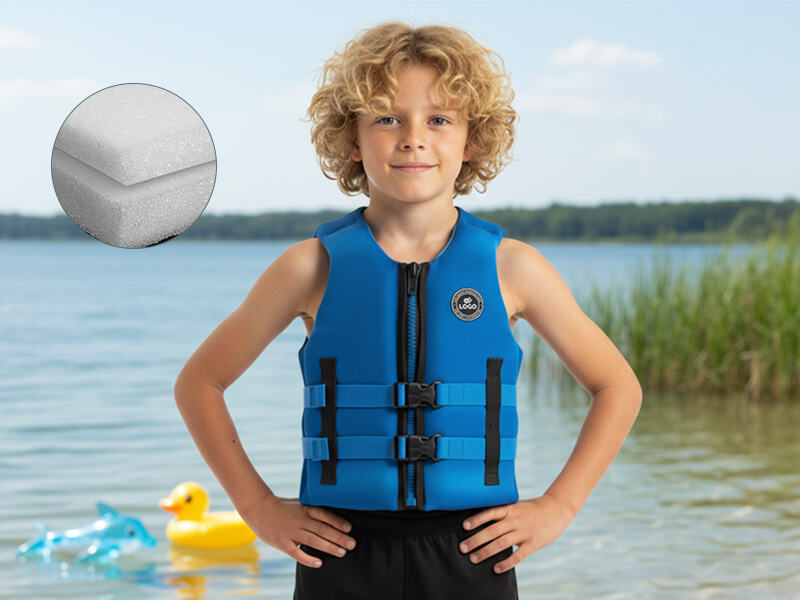
Why Closed-Cell Polyethylene Foam Is the Gold Standard for Kids Float Vests
Buoyancy, durability, and USCG/ISO compliance: How polyethylene meets Type III children’s PFD requirements
Most certified kids' life jackets on the market today are made from closed-cell polyethylene foam. Why? Because this stuff just works really well for what we need in child safety gear. The material offers solid buoyancy that lasts over time, plus it meets all those important regulations set by the US Coast Guard and the ISO 12402-3 standards. What makes it special is how the cells inside stay sealed shut, trapping air so the jacket stays floaty even when wet. These devices need to provide at least 7.5 pounds of lift according to Type III requirements for young swimmers. Regular open-cell foams aren't nearly as good since they soak up water like sponges. Closed-cell versions keep their floating power intact whether they're used in lake water or ocean saltwater, which matters a lot when kids are playing near water repeatedly.
Tests have shown that polyethylene keeps around 95% of its initial buoyancy even after being used regularly for three full years. This is actually better than most other foam materials when exposed to sunlight, pressure from repeated use, and attacks by microbes. The material's durability makes it possible to meet important safety standards. For instance, life vests made with this foam can flip someone back upright in just 16 to 22 seconds after they fall into water. They also keep the wearer's head about seven inches above the surface, which is exactly what's needed for Type III safety certification according to industry regulations.
Density sweet spot: Why 1.5–2.5 lbs of polyethylene delivers optimal lift, comfort, and fit for kids aged 1–12
Polyethylene’s ideal density range—1.5 to 2.5 lbs per cubic foot—enables precise performance tuning across developmental stages:
- Toddlers (1–4 years) benefit from lower-density foam (1.5–1.8 lbs/ft³), which maximizes buoyancy relative to body weight while remaining soft and flexible enough to avoid restricting movement or breathing.
- School-age children (5–12 years) perform best with medium-density foam (2.0–2.5 lbs/ft³), which conforms securely to shifting body contours during activity—keeping straps in place without compromising comfort or respiratory freedom.
- Across all ages, this density range supports impact resistance and maintains thickness under 1.5 inches, preventing bulkiness that could hinder swimming or play.
Real-world field trials show vests built with 2.2 lb/ft³ polyethylene reduce strap slippage by 63% compared to alternative foams—and enable 12-year-olds to tread water comfortably for more than 20 minutes.
PVC Foam in Youth Life Jackets: When It’s Used—and Why It’s Rare in Certified Kids Float Vests
Performance trade-offs: Higher initial buoyancy vs. compression creep and chlorine/saltwater sensitivity
PVC foam definitely starts off with better buoyancy than many alternatives, sometimes even hitting around 15 pounds right out of the factory. But there's a big downside. The material just doesn't hold up well long term. When compressed for extended periods, it loses volume permanently. We're talking about roughly a 20% drop in buoyancy over time in some cases. Throw saltwater or chlorine into the mix and things get worse fast. The material becomes stiff, cracks develop, and eventually the whole thing fails unexpectedly while floating. What makes this really problematic is that unlike closed-cell polyethylene, PVC isn't water resistant. It actually soaks up water like a sponge, which adds extra weight and cuts down on performance exactly when good buoyancy is needed most during critical operations.
Regulatory reality: USCG and ISO 12402-3 restrictions on PVC foam in youth-certified Kids Float Vests
The U.S. Coast Guard has banned PVC foam in Type III-certified Kids Float Vests due to serious reliability issues. The same goes for ISO 12402-3 standards which kick PVC out of the running because it doesn't pass those tough 24 hour submersion tests plus compression stability checks. These tests are there for good reason too they make sure materials keep providing enough floatation power between 7 to 11 pounds throughout how long kids actually use them. What this boils down to is simple common sense when it comes to kid safety equipment. Life vests need to work properly day after day, month after month, not just look good on store shelves. That's why smart companies manufacturing children's life jackets steer clear of PVC altogether. They stick with materials that have been tested and proven safe through every stage of product life from initial purchase all the way until replacement becomes necessary.
How Foam Selection Aligns with PFD Certification Types for Children
Type II vs. Type III Kids Float Vests: Matching foam density and coverage to minimum buoyancy (7.0–11.0 lbs) and intended water activity
Children’s PFDs are classified as Type II or Type III based on buoyancy, design intent, and performance criteria—not just foam type, but how that foam is engineered into the vest. Both types must deliver 7.0–11.0 lbs of buoyancy, but they achieve it differently:
- Type II Kids Float Vests prioritize emergency response in rough or remote waters. They use denser closed-cell polyethylene (2.0–2.5 lbs/ft³) and broader torso/neck coverage to reliably turn an unconscious child face-up—meeting strict self-righting and head-clearance thresholds.
- Type III Kids Float Vests, intended for supervised, calm-water activities like kayaking or swimming lessons, emphasize mobility and comfort. They achieve the same minimum buoyancy using lighter-density polyethylene (1.5–2.0 lbs/ft³) placed strategically in shoulder, back, and side panels—reducing bulk while preserving lift where it counts.
Picking the right foam really depends on several factors rather than just grabbing whatever is available. Think about what works best when considering materials, safety regulations, and how the product will actually be used in practice. Parents should go for vests approved by USCG that fit their kids based on weight requirements. For those days spent in rougher waters where conditions can change suddenly, opt for denser foams with complete coverage. But if playing around in calm pools or lakes, something more comfortable and less bulky tends to work better for active little ones who might otherwise resist wearing it at all.
FAQ Section
-
Why is closed-cell polyethylene foam preferred for kids' life jackets?
Closed-cell polyethylene foam is preferred because it provides lasting buoyancy, meets safety regulations, and performs well in both freshwater and saltwater environments. -
What are the benefits of using polyethylene foam over PVC foam in life jackets?
Polyethylene foam maintains buoyancy and is water-resistant, whereas PVC foam can lose volume, absorb water, and is not reliable long-term. -
What’s the optimal density range of polyethylene foam for kids' vests?
The ideal density range is 1.5 to 2.5 lbs per cubic foot, catering to different age groups and ensuring comfort and performance. -
Why are PVC foams not used in Type III certified Kids Float Vests?
PVC foams fail to meet the long-term submersion and compression stability tests required for certification due to their tendency to lose buoyancy and water resistance.